
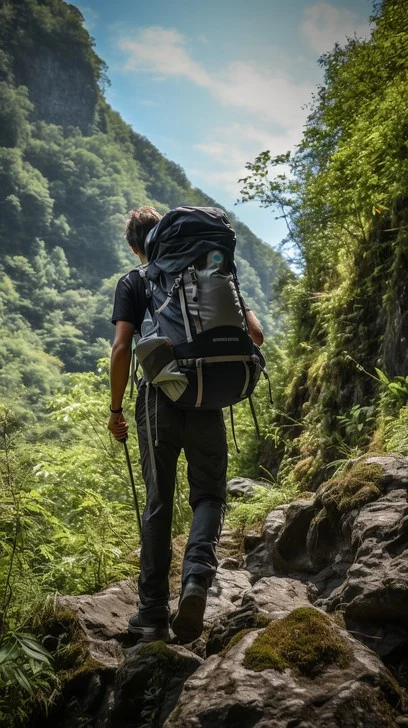
Hiking rewards you with views, quiet, and the kind of tiredness that feels earned. But trails don’t negotiate — a rolled ankle, a sudden downpour, or three hours of UV exposure can turn a great day into a rescue story. The fix isn’t expensive gear; it’s the right protective gear in the right places.
Here’s a head-to-toe checklist of what actually protects you out there, why it matters, and what to look for when you buy.
1. Head: Hat, Buff, and Sunglasses
Your head loses heat fast in the cold and absorbs UV fast in the sun. Cover it.
Wide-brim hat or trucker cap with neck flap — blocks direct sun on your face, ears, and neck. Look for UPF 50+ fabric.
Buff / neck gaiter — the most versatile piece in your pack. Sun shield, dust mask, sweatband, beanie, scarf.
Polarized sunglasses — cut glare on snow, water, and rocky trails. Wraparound frames keep wind and debris out.
Beanie (cold weather) — merino wool stays warm even when damp.
Pro tip: in alpine or snowy terrain, UV reflects off surfaces and burns the underside of your nose and chin. Brim + sunscreen, every time.
2. Eyes and Face
Beyond sunglasses, two underrated items:
Broad-spectrum sunscreen (SPF 30+) — reapply every 2 hours. Stick formulas are easier on sweaty faces.
SPF lip balm — sunburned lips are miserable and slow to heal.
3. Torso: Layering Is the Whole Game
Cotton kills (literally — it stays wet and steals body heat). Build a three-layer system:
Base layer — moisture-wicking merino wool or synthetic. Pulls sweat off your skin.
Mid layer — fleece or light puffy. Traps warm air.
Shell layer — waterproof and breathable jacket (look for Gore-Tex or equivalent, with taped seams and a hood that fits over a hat).
You can shed and add layers as the weather changes. This is the difference between comfortable and hypothermic.
4. Hands
Lightweight gloves for sun, scrambling, and cold mornings.
Waterproof shell mittens for serious cold or alpine routes.
Even on warm hikes, gloves protect your palms when you grab rocks, trees, or take a fall.
5. Legs: Pants Over Shorts (Most of the Time)
Shorts are great until you meet thorns, ticks, sunburn, or scree. Convertible hiking pants give you both options.
Quick-dry, stretchy hiking pants with reinforced knees.
Rain pants in your pack — even if the forecast looks clear.
Gaiters — keep mud, snow, pebbles, and ticks out of your boots. Underrated, cheap, transformative.
6. Feet: Where Hikes Are Won or Lost
If you only upgrade two things, make it your boots and your socks.
Hiking boots or trail runners — boots for ankle support and heavy loads, trail runners for speed and dry trails. Whatever you pick, break them in before a long hike.
Merino wool socks — warm when wet, cool when hot, blister-resistant. Bring a spare pair.
Sock liners — thin synthetic liner under wool socks reduces friction and prevents blisters on long days.
7. The Body Armor You Don’t Wear
A few items don’t go on your body but protect it just the same:
Trekking poles — reduce knee impact on descents by up to 25%, save you from countless slips.
Backpack with hip belt — transfers load to your hips and saves your shoulders and back.
Headlamp + spare batteries — sundown comes faster than you think.
First-aid kit — blister patches, antiseptic, painkillers, tape, tweezers (for ticks and splinters).
Emergency blanket and whistle — weigh nothing, save lives.
The Quick Packing Checklist
☑ Sun hat + sunglasses + sunscreen + lip balm
☑ Buff / neck gaiter
☑ Base + mid + waterproof shell layers
☑ Gloves (season-appropriate)
☑ Hiking pants + rain pants + gaiters
☑ Broken-in boots + merino socks + spare pair
☑ Trekking poles
☑ Backpack with hip belt
☑ Headlamp, first-aid kit, emergency blanket, whistle
Final Word
Great hiking gear is boring on purpose — it disappears when it works. You don’t notice your socks, your jacket, or your boots; you notice the ridge line, the silence, the friend next to you. Pack for the worst day the trail might give you, and you’ll be free to enjoy the best one.
Now lace up. The trail is waiting. 🥾

